Artificial intelligence
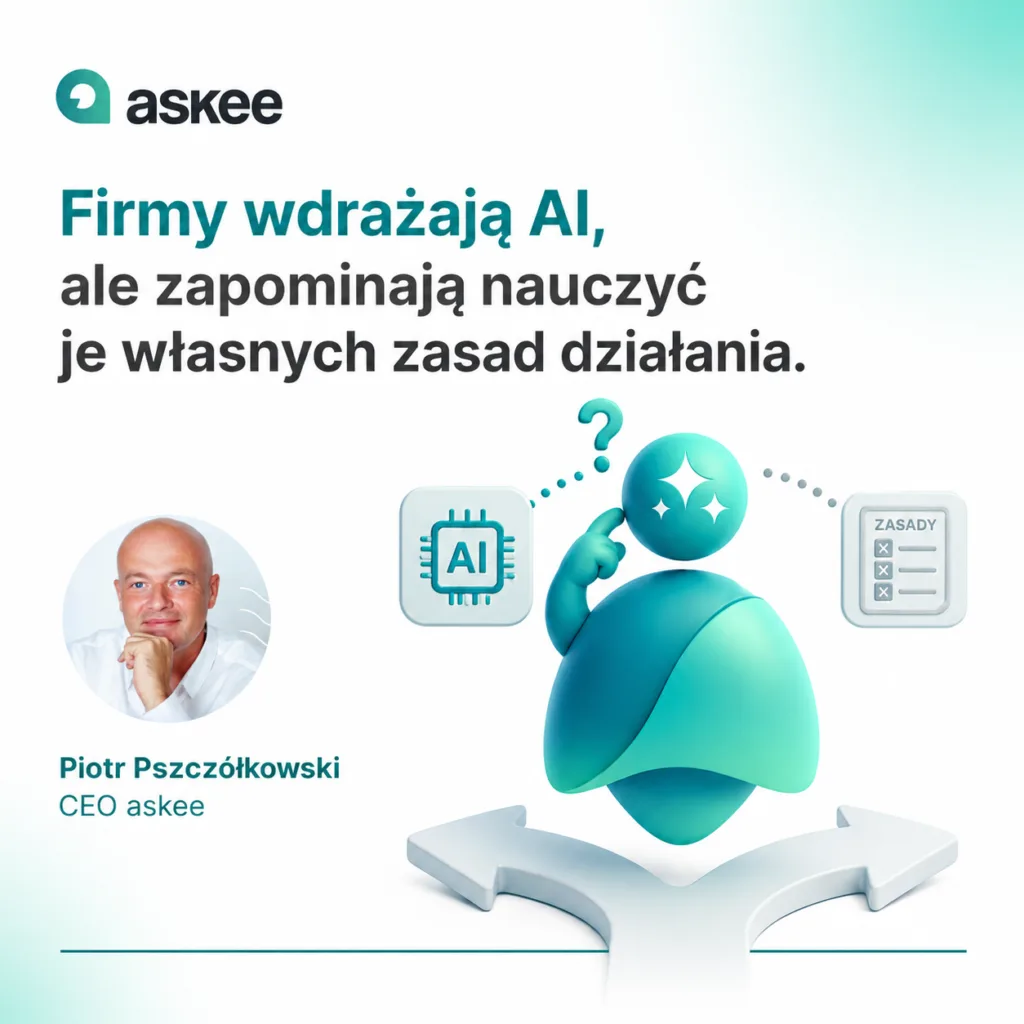
Companies roll out AI but forget to teach it their own operating rules.

AI can answer logically and convincingly. The question is: on what basis? The bigger the role it plays in company processes, the more important control over knowledge sources and operating context becomes. A mature rollout does not start with features, but with rules, roles and accountability. Without that, even the best technology will not build trust or real business value.
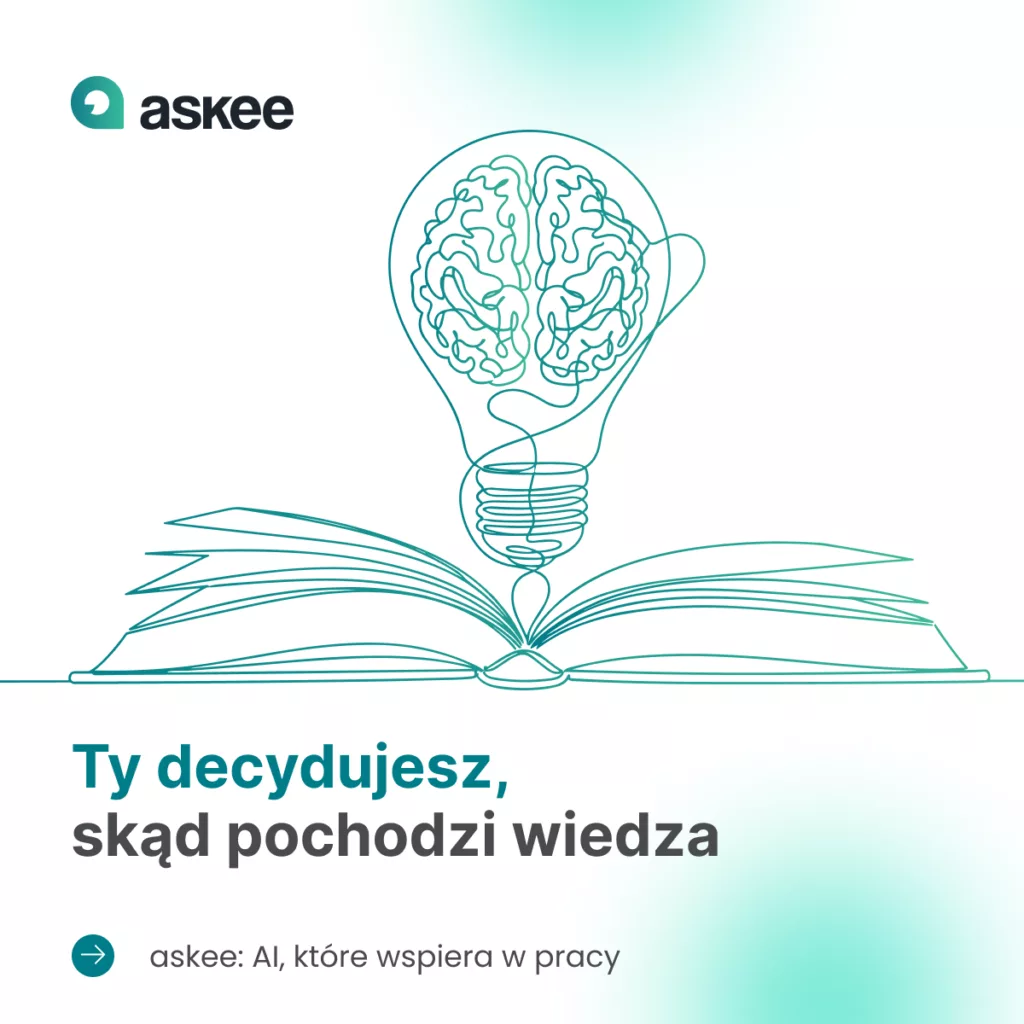


When AI answers logically, consistently and quite sensibly, the natural reflex should be a follow-up question: where does that knowledge come from?
This is the moment when an organization says “let me check”. Not to question the technology, but to make sure its answers are grounded in the right context. Because in a business environment it is not only about linguistic correctness or the logical construction of a statement. It is about the source of the information.
The wider the range of processes an AI assistant supports in a company – from internal communication, through data analysis, to decision recommendations – the more it matters what knowledge it works on.
Deloitte’s “State of AI in the Enterprise” report indicates that one of the main barriers to scaling AI in organizations is the quality and availability of data, together with a lack of trust in the results generated by models. Research from the IBM Institute for Business Value, in turn, shows that companies achieving the highest return on AI investment are far more likely to implement formal data governance mechanisms and model oversight. In other words – technology is one thing, but governance and control over sources are the condition for real business value.
A mature AI rollout therefore does not start with a list of features. It starts with the answers to a few key questions:
Which data is the source of truth in our organization?
Who is responsible for keeping it up to date?
To what extent may the assistant use it?
Are its recommendations consistent with the roles and accountabilities we have agreed?
Without that framework, AI can generate answers that are correct but inadequate. It can sound convincing while operating outside the organizational context. In the longer run this undermines trust – among managers and employees alike.
That is why askee works differently.
It does not use uncontrolled, general knowledge as the basis for operational decisions. It relies on sources deliberately defined by the user. It always works in the context of a role and its accountability. This means the answer is not merely “logical” – it is consistent with the rules of a specific organization.
In practice this means greater transparency, more consistent decisions and real support for managers. AI does not replace human accountability, but works within clearly defined boundaries. And it is those boundaries that build trust.
Because in business the most important question about AI is not: “can it answer?”.
It is: “do we know what it is answering on the basis of?”